
The visual identity of this violin was born from the desire to open up classical string instruments to a contemporary approach, in terms of form, materials, and production processes.
The starting point was research and development in the field of carbon fiber composite materials applied to musical instruments. Beyond their exceptional physical properties, these materials allow for the creation of instruments that are more stable and resistant to temperature and humidity fluctuations, while maintaining excellent acoustic qualities. In this context, they stand out as a promising alternative for the future of string instruments.
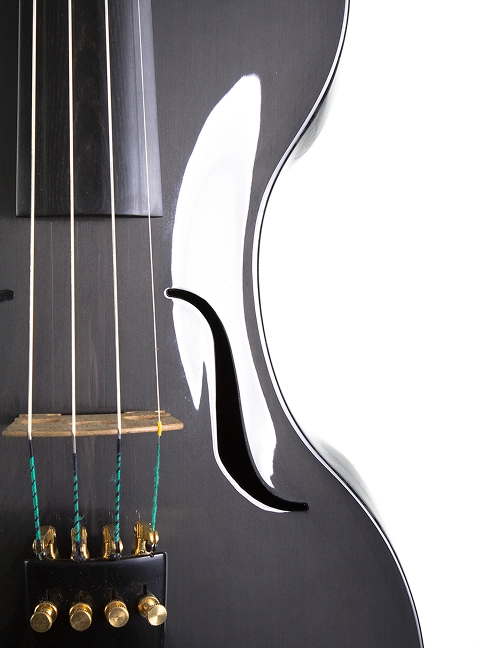
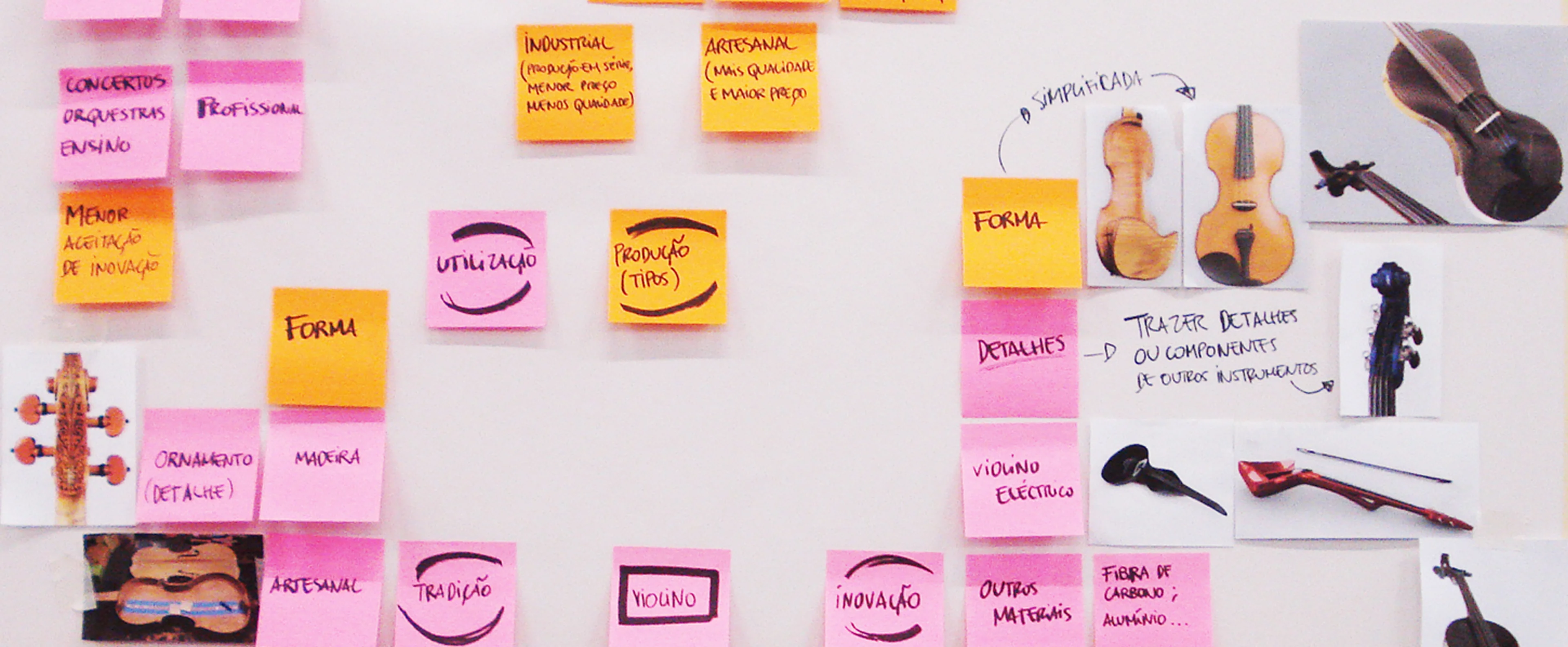
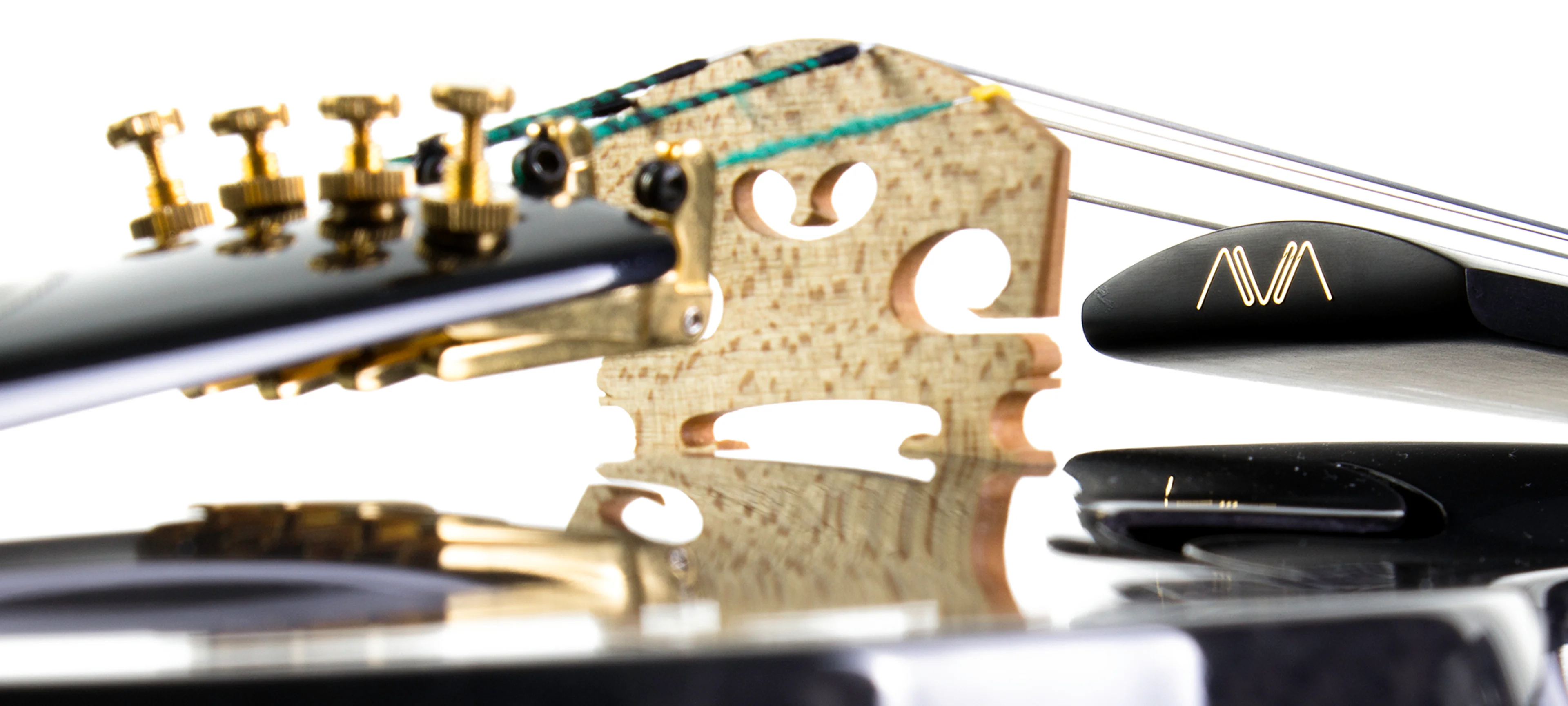
The design team's goal was to create a harmonious set of surfaces, taking advantage of the freedom offered by the manufacturing processes used. A continuous and fluid form integrates the body and neck into a single formal expression, while simultaneously preserving the essence and purity of the violin archetype that has spanned generations.
An in-depth analysis of the architecture and historical evolution of the violin allowed for the exploration of different design paths. In parallel, the available technological capacity made it possible to develop an instrument using the most advanced design, modeling, and manufacturing techniques.
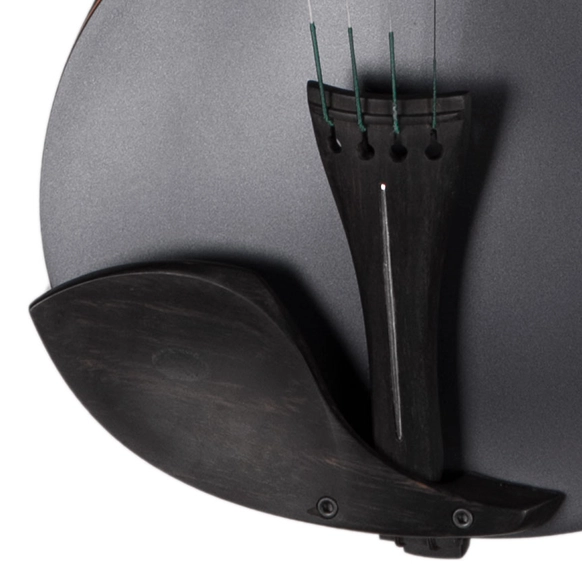
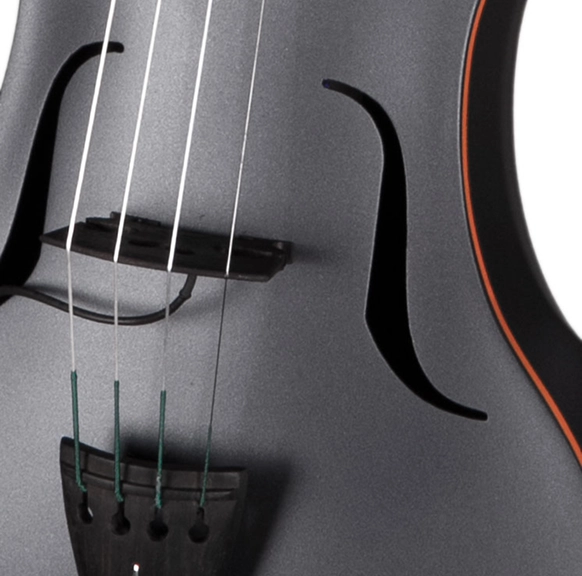
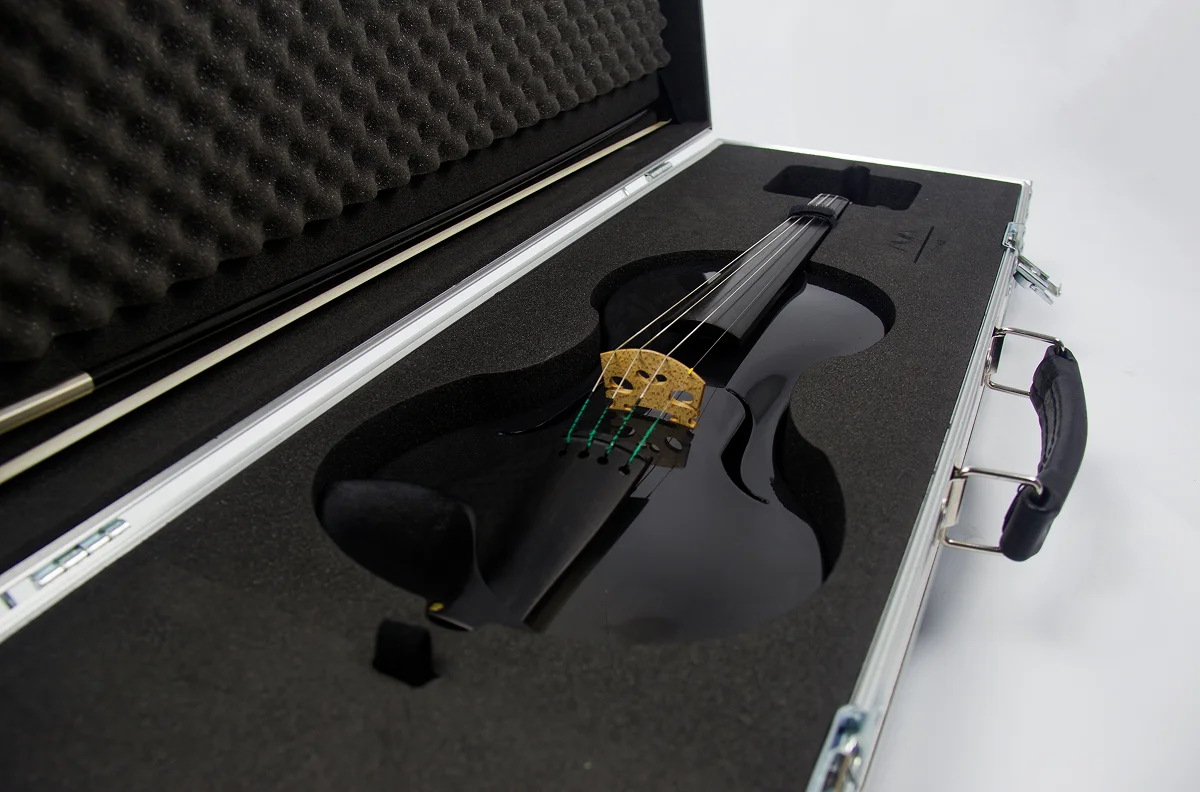
The AVA Royale does not seek to replace the tradition of classical lutherie. On the contrary, it demonstrates how new materials and technologies can contribute to extending that legacy, opening up new possibilities for creation, use, and musical expression.
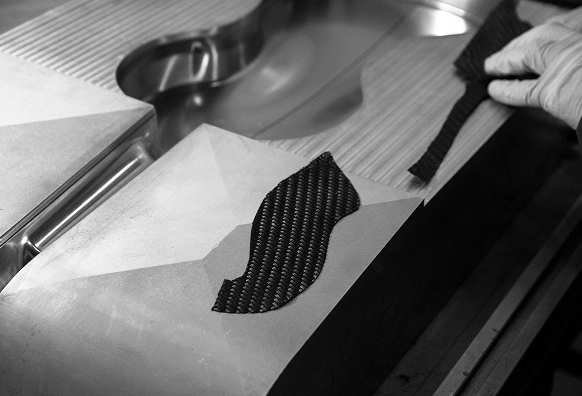
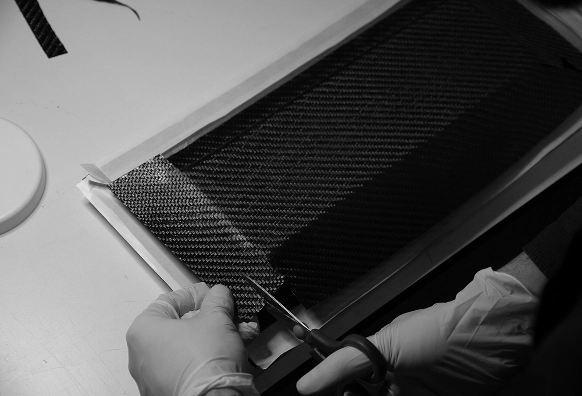
Each surface results from a balance between functionality, ergonomics, and visual identity. Its formal language expresses the nature of the material and the processes that give rise to it, reflecting an approach where aesthetics emerge from the very logic of construction.

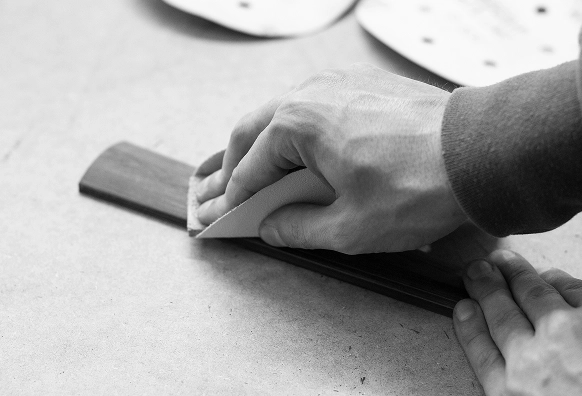
The development of the AVA Royale demonstrates that innovation does not require abandoning tradition. When supported by a deep understanding of the instrument's history and culture, technology becomes a tool to preserve, enhance, and project that heritage into the future.